Bringing a new puppy into your home is a momentous occasion filled with excitement and joy. The anticipation of their wagging tail, wet nose, and unconditional love fills your heart with warmth. But along with all the cuteness comes a great responsibility to provide the best care for your furry companion.
As a dog lover, you understand the importance of ensuring your pup’s well-being. From their physical health to their mental and emotional happiness, every aspect of their life deserves attention and care. That’s why we’ve put together this comprehensive guide to help you navigate the journey of raising a happy and healthy puppy.
From preparing your home to choosing the right nutrition, establishing a routine, socializing your puppy, and mastering basic training techniques, we’ll cover everything you need to know to create an environment where your pup can thrive. We’ll also dive into essential healthcare tips, grooming rituals, and understanding the fascinating world of puppy behavior.
Whether you’re a first-time dog owner or an experienced canine companion, this guide will provide you with valuable insights, practical tips, and expert advice to ensure that your puppy receives the love and care they deserve.
Key Takeaways:
- Proper dog care is essential for the overall well-being of your furry friend.
- Building a strong bond with your puppy requires attention to their physical, mental, and emotional needs.
- Preparation, nutrition, routine, socialization, training, healthcare, grooming, and understanding behavior are all vital aspects of dog care.
- By following the tips in this guide, you can ensure that your puppy grows up to be a happy and healthy member of your family.
- Remember, every puppy is unique, so be patient, adaptable, and always prioritize their well-being above all else.
Preparing Your Home for a New Puppy
Before bringing a new puppy home, it’s important to take the necessary steps to create a safe and welcoming environment for them. This involves puppy-proofing your space to prevent any potential hazards and making sure they have a designated area where they can feel secure. By taking these precautions, you can ensure that your new furry friend will be safe, happy, and comfortable in their new home.
Puppy-Proofing
Puppy-proofing your home is an essential part of creating a safe haven for your new puppy. This involves identifying and securing potential hazards to prevent accidents and injuries. Be sure to:
- Secure electrical cords and outlets to prevent chewing and electrocution risks.
- Keep hazardous household chemicals, medications, and cleaning products out of reach.
- Store small objects, such as coins and jewelry, in closed containers.
- Remove poisonous plants from your home and garden.
- Secure all windows and screens to prevent falls.
Designated Space
Your puppy will benefit from having a designated space where they can retreat to and feel safe. This can be a crate, a small room, or a gated area. By having their own space, your puppy will have a sense of security and a place to relax when they need some quiet time. Make sure to:
- Choose a space that is quiet and away from high traffic areas.
- Provide a cozy bed that is appropriate for their size and breed.
- Place interactive toys and stimulating activities in their designated area to keep them entertained.
- Ensure that the space is well-ventilated and has access to fresh water.
Creating a safe and comfortable environment for your new puppy is crucial for their well-being and adjustment to their new home. By puppy-proofing your space and providing a designated area with a cozy bed and interactive toys, you can ensure that your puppy feels secure and loved from the moment they arrive.
Choosing the Right Nutrition
Providing your puppy with the right nutrition is vital for their growth and energy levels. When it comes to puppy food, quality matters. It’s important to consult with your vet to determine the best food option for your furry friend based on their breed, age, and activity level.
Establishing a routine around mealtime is essential for maintaining your puppy’s health. Stick to consistent meal times and avoid free-feeding to regulate their appetite. Remember to be mindful of portion sizes to prevent overfeeding and potential weight gain.
Resist the urge to spoil your pup with extra treats as overfeeding can lead to nutritional imbalances and health issues. Instead, focus on providing them with a balanced diet that meets their specific nutritional needs.
By choosing the right puppy food, establishing a feeding routine, and controlling portion sizes, you can ensure that your furry companion receives the essential nutrients they need to thrive.
Establishing a Routine for Your Puppy
Puppies thrive on routine, as it provides them with a sense of security. Setting a schedule for feeding, playtime, bathroom breaks, and naps is essential for their overall well-being and development. By adhering to a consistent routine, you can create scheduling success and harness the power of routine to create a happy and balanced life for your furry friend.
Feeding
One of the most crucial aspects of your puppy’s routine is their feeding schedule. Determine the appropriate amount and frequency of meals in consultation with your vet. Set specific meal times and stick to them consistently. Providing your puppy with nutritious food at regular intervals ensures they receive the necessary nourishment for growth and energy.
Playtime
Incorporating playtime into your puppy’s routine is essential for their physical and mental well-being. Engage in interactive play sessions with toys and games. This not only helps expel energy but also promotes bonding and stimulates their cognitive abilities. Regular playtime allows your puppy to explore their surroundings, build confidence, and develop social skills.
Bathroom Breaks
Bathroom breaks are an integral part of your puppy’s routine and aid in their house training process. Take your puppy outside consistently at designated times, such as after meals and naps, and reward them for eliminating in the appropriate area. Establishing a bathroom routine helps prevent accidents indoors and teaches them good habits.
Naps
Puppies need ample rest and sleep to support their growth and development. Incorporate regular nap times into their daily routine to ensure they get the rest they need. Provide a comfortable and cozy sleeping environment for your puppy, such as a designated bed or crate. Naps also help regulate their energy levels and prevent overstimulation.
Remember, consistency is key when establishing a routine for your puppy. Following a predictable schedule for feeding, playtime, bathroom breaks, and naps helps them feel secure and makes training easier. By incorporating these essential elements into your puppy’s daily routine, you create a harmonious and balanced life for your furry companion.
Socialization for a Confident Puppy
Socialization is a crucial aspect of your puppy’s development and confidence. It involves exposing them to different environments, people, and other animals in a positive way. By providing your puppy with opportunities for socialization, you can help them build positive associations and become well-adjusted and outgoing.
One of the best ways to socialize your puppy is to introduce them to new faces. Take them on walks in the neighborhood, where they can meet friendly neighbors and their dogs. Encourage people to approach your puppy and give them treats or praise when they display positive behavior. This will help your puppy associate meeting new faces with positive experiences.
It’s also important to expose your puppy to different environments. Take them to parks, pet-friendly stores, or outdoor cafes where they can experience new sights, sounds, and smells. Gradually increase the level of stimuli to ensure your puppy becomes comfortable in various situations.
Introducing your puppy to other animals is equally important. Arrange playdates with friendly, well-socialized dogs or enroll them in puppy socialization classes. These controlled environments allow your puppy to interact and learn from their peers under supervision. Monitor the interactions closely and reward good behavior to reinforce positive associations.
During socialization experiences, it’s essential to provide rewards and praise when your puppy displays positive behavior. This positive reinforcement helps build their confidence and encourages them to continue engaging with new experiences. With time and consistent socialization, your puppy will become more confident and adaptable to different environments.
In summary, socialization plays a vital role in shaping your puppy’s behavior and confidence. By exposing them to new environments, people, and animals in a positive way, you can help them form positive associations and become well-adjusted, outgoing pets. Remember to reward and praise your puppy during socialization experiences to foster a happy and confident companion.
Basic Training Techniques
Housebreaking your puppy is an important step towards a well-behaved companion. It requires consistency and patience to establish good habits. One effective approach is taking your puppy outside frequently, especially after meals and naps, to encourage proper elimination. Remember to reward your pup when they eliminate outside, reinforcing the desired behavior.
Consistency is key in teaching your puppy basic commands, such as sit, stay, and come. By using a clear and consistent approach, your puppy will quickly learn what is expected of them. Positive reinforcement techniques, such as treats and praise, can be powerful motivators and help reinforce good behavior.
When training your puppy, keep the sessions short, focused, and fun. Puppies have short attention spans, so it’s important to make the training sessions engaging and enjoyable. This will help them retain the information and make training a positive experience for both of you.
Key Tips for Basic Training:
- Set clear expectations and be consistent in your training approach.
- Use positive reinforcement techniques such as treats and praise to encourage good behavior.
- Keep training sessions short, focused, and fun to accommodate your puppy’s attention span.
Healthcare Essentials for Puppies
Ensuring your puppy’s health and well-being is crucial for their happiness and longevity. Regular vet visits, vaccinations, preventative care, pet first aid, and emergency preparedness all play important roles in keeping your furry friend safe and healthy.
Regular vet visits are essential for monitoring your puppy’s overall health and development. During these visits, your vet will perform check-ups, administer necessary vaccinations, and address any concerns or questions you may have. By establishing a relationship with a trusted vet, you can ensure your puppy receives the best possible care.
Vaccinations are crucial for preventing infectious diseases that can be harmful or even fatal to your puppy. Your vet will provide you with a vaccination schedule tailored to your puppy’s needs, ensuring they receive the necessary immunizations to stay protected.
Pet First Aid
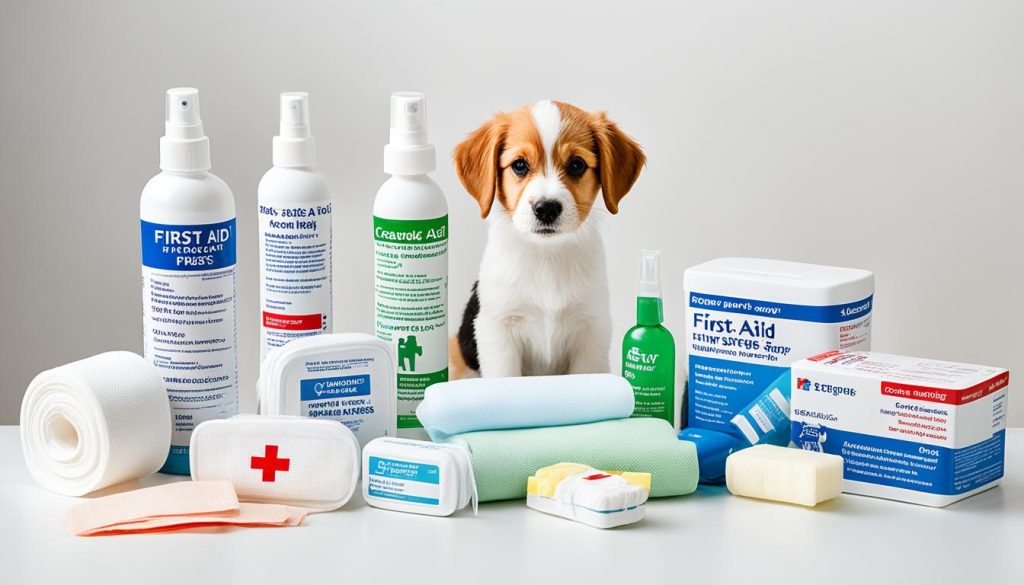
Having basic knowledge of pet first aid is essential for handling emergencies and providing immediate care until you can reach a vet. Learning how to perform CPR, recognizing signs of distress, and knowing what to do in case of common injuries or illnesses can make a significant difference in the outcome for your puppy.
Preventative Care
Alongside regular vet visits and vaccinations, preventative care is key to maintaining your puppy’s health. This includes providing them with appropriate parasite control, such as flea and tick prevention, as well as regular grooming to keep their coat and skin in optimal condition.
Emergency Preparedness
Accidents and emergencies can happen at any time, so it’s important to be prepared. Create a pet-friendly emergency kit that includes essential items such as contact information for your vet, emergency vet clinics in your area, a supply of your puppy’s medications, and basic first aid supplies. Knowing the location of the nearest emergency vet clinic and having a plan in place can help you take swift action in critical situations.
Grooming Your Puppy
Grooming plays a crucial role in keeping your puppy looking and feeling their best. Regular grooming sessions not only maintain their hygiene but also provide an opportunity for bonding. Here are some important grooming tasks to include in your puppy care routine:
1. Brushing
Brushing your puppy’s coat regularly is essential for preventing mats and tangles. It also helps distribute natural oils, keeping their coat healthy and shiny. Make brushing a positive experience by using a soft brush or comb and gentle strokes. This not only keeps their coat in top condition but also strengthens the bond between you and your furry friend.
2. Bathing
Bathing your puppy is an important part of their grooming routine. Use a gentle puppy shampoo and warm water to make the experience comfortable and enjoyable for them. Remember to speak soothingly and provide praise throughout the process. Be careful to avoid getting water in their ears and use a soft towel to dry them off thoroughly afterwards.
3. Nail Trimming
Trimming your puppy’s nails is necessary to prevent discomfort and potential injuries. Take extra caution while trimming and avoid cutting into the quick, which is the sensitive area of the nail that contains blood vessels. If you’re uncomfortable with nail trims, it’s best to seek professional help from a groomer or veterinarian.
Regular grooming not only keeps your puppy looking their best, but it also promotes their overall well-being. By incorporating brushing, bathing, and nail trimming into your puppy care routine, you’re helping them stay clean, healthy, and happy.
Understanding Puppy Behavior
Understanding puppy behavior is crucial for effective communication. Puppies express themselves in various ways, including tail wags and ear flips. These subtle gestures can reveal their emotions, such as excitement or nervousness.
Teething and chewing are natural behaviors for puppies as they explore the world around them and relieve discomfort. To redirect their chewing instincts, it’s important to provide appropriate chew toys. These toys not only keep them entertained but also promote healthy dental habits and prevent destructive behavior.
When choosing toys for your teething pup, opt for ones that are mentally stimulating and safe. Look for toys made from durable materials that can withstand their developing teeth. Avoid small or easily breakable objects that may pose a choking hazard.
By providing your puppy with the right toys, you can help satisfy their natural chewing instinct and encourage positive behavioral patterns. Remember, selecting the right toys can contribute to their overall well-being and prevent destructive chewing on your valuable belongings.
Conclusion
Congratulations on your journey to raising a happy and healthy puppy! By following these essential tips, you can establish a strong bond and ensure your furry friend’s overall well-being.
A routine is key to your puppy’s success. From preparing your home and choosing the right nutrition to establishing a consistent schedule for feeding, playtime, bathroom breaks, and naps, a structured routine provides a sense of security and promotes healthy development.
Socialization plays a crucial role in your puppy’s confidence. Encourage positive experiences by exposing them to various environments, people, and other animals. This helps them build resilience and become well-adjusted and outgoing dogs.
Training your puppy using positive reinforcement techniques leads to obedience and a positive relationship. From housebreaking to basic commands, consistent and kind training methods help them learn and understand expectations.
Healthcare and grooming are essential aspects of your puppy’s well-being. Regular vet visits, vaccinations, preventative care, and basic pet first aid are crucial for their overall health. Grooming practices like brushing, bathing, and nail trimming not only keep them looking their best but also help maintain a clean and comfortable coat.
By implementing these tips into your puppy’s care, you are laying the foundation for a happy and healthy life together. Enjoy the journey of raising your furry companion and cherish the strong bond that will continue to grow between you!