As a devoted dog owner, you’ve experienced the incredible bond and unconditional love that comes with having a furry companion by your side. From playful puppyhood to energetic adolescence, you’ve shared countless adventures and cherished moments together. But as your beloved pup ages, their needs change, requiring a different level of care and attention.
Watching your once energetic and sprightly dog slow down can be both heartwarming and bittersweet. It’s a reminder that time passes quickly and that our furry friends age just like we do. But it’s also an opportunity to provide them with the love, support, and specialized care they need in their golden years.
In this comprehensive guide, we’ll explore the signs of aging in dogs, common health issues for senior dogs, and how to recognize if your dog is experiencing pain. We’ll also delve into nutrition, exercise, mental stimulation, and overall care for senior dogs. Whether you’re a seasoned dog owner or new to caring for older dogs, this guide provides valuable insights to help you provide the best possible care for your aging furry friend.
Key Takeaways:
- Understanding the signs of aging in dogs is essential for providing the appropriate care.
- Common health issues for senior dogs include joint problems, weight management challenges, and cognitive decline.
- Recognizing pain in senior dogs requires attentiveness to subtle cues and seeking specialized care.
- Proper nutrition plays a crucial role in maintaining the health and vitality of senior dogs.
- Exercise and mental stimulation are important for supporting the overall well-being of senior dogs.
Signs of Aging in Dogs
As dogs age, they may experience various changes in their physical and mental well-being. Recognizing these signs of aging is crucial to providing appropriate care and ensuring the overall health and happiness of senior dogs.
One of the most noticeable signs of aging in dogs is a decrease in mobility. Senior dogs may experience stiffness, difficulty getting up, or a reluctance to engage in physical activities they once enjoyed. These changes can be indicative of joint issues such as arthritis, which is a common senior dog health issue. Regular exercise tailored to their abilities can help maintain their mobility and manage weight, promoting a higher quality of life.
Senior dogs may also exhibit changes in cognitive function. Confusion, disorientation, and a decline in problem-solving abilities can be signs of cognitive dysfunction syndrome (CDS), similar to Alzheimer’s disease in humans. Mental stimulation through puzzle toys and positive reinforcement training can help slow cognitive decline and keep senior dogs mentally sharp.
Other common signs of aging in dogs include dental issues, such as tooth decay, gum disease, and bad breath, which can negatively impact their overall health. Regular dental care, including brushing their teeth and providing dental chews, is essential to prevent these issues and maintain their oral hygiene.
Recognizing pain in senior dogs is crucial but can be challenging as they may not show obvious signs of discomfort. Behavioral changes such as decreased appetite, restlessness, aggression, or withdrawal from social interaction can indicate pain or underlying health issues. Consulting with a veterinarian and monitoring their behavior and overall well-being can help detect and manage pain effectively.
It’s important to remember that each senior dog is unique, and the signs of aging may vary. Regular veterinary check-ups can help detect and address age-related health issues. By providing proper nutrition, exercise, mental stimulation, and monitoring for signs of pain, you can ensure your senior dog enjoys a comfortable and fulfilling life in their golden years.
Common Health Issues for Senior Dogs
Senior dogs are prone to several health issues that are directly related to aging. These age-related conditions can significantly impact their quality of life if not addressed promptly and effectively. It is crucial for dog owners to be aware of these health issues and take proactive measures to ensure the well-being of their senior furry companions.
Joint Problems
One of the most common health concerns for senior dogs is joint problems. As dogs age, their joints may become stiff and less flexible, leading to conditions such as arthritis. This can cause pain, discomfort, and decreased mobility in senior dogs, making it challenging for them to perform everyday activities. It is essential to provide proper joint care and support to alleviate their pain and maintain their mobility.
Weight Management
Weight management is another significant health issue faced by senior dogs. With reduced activity levels and changes in metabolism, senior dogs are more prone to weight gain. Excess weight can put additional strain on their joints and exacerbate other health conditions. It is important to ensure that senior dogs maintain a healthy weight through proper diet, portion control, and regular exercise, which can help prevent weight-related problems and keep them active and agile.
Cognitive Decline
Cognitive decline, often referred to as canine cognitive dysfunction (CCD) or dementia, can impact senior dogs just like humans. They may experience memory loss, confusion, disorientation, and changes in behavior. Providing mental stimulation, engaging in regular brain exercises, and incorporating interactive toys and puzzles can help slow down cognitive decline and keep their minds active and stimulated.
Dental Issues
Senior dogs are more prone to dental issues such as gum disease, tooth decay, and tooth loss. These dental problems can cause pain, difficulty in eating, and overall discomfort. Regular dental care, including brushing their teeth, providing dental treats, and regular veterinary dental check-ups, can help maintain their oral health and prevent dental problems.
Weakened Immune Systems
As dogs age, their immune systems may weaken, making them more susceptible to infections and diseases. It is vital to support their immune health through proper nutrition, regular veterinary check-ups, and appropriate vaccinations. A healthy immune system can help senior dogs fight off illnesses and maintain good overall health.
By addressing these common health issues through regular veterinary care, balanced diets, exercise, and tailored healthcare plans, dog owners can ensure that their senior dogs lead happy, comfortable, and healthy lives. Providing the necessary support and attention to these health concerns will go a long way in maintaining the quality of life for senior dogs.
Recognizing Pain in Senior Dogs
Identifying pain in senior dogs is crucial for ensuring their well-being and quality of life in their golden years. As dogs age, they are more susceptible to discomfort and underlying health issues that may not always be apparent. By paying close attention to subtle cues and changes in their behavior, you can recognize signs of pain and provide specialized care for pain management.
One of the key indicators of pain in senior dogs is changes in mobility. You may notice that your dog is having difficulty getting up, walking, or climbing stairs. They may seem stiff, reluctant to move, or have a noticeable change in their gait. These signs can be indicative of joint pain, arthritis, or other age-related conditions.
Behavioral changes can also be a red flag for pain in senior dogs. They may exhibit signs of restlessness, agitation, or seem more irritable than usual. Additionally, they may show withdrawal from social interaction, avoiding contact with family members or other pets. Changes in appetite, such as a decrease in food intake or excessive licking of a specific area, can also indicate discomfort.
Facial expressions can provide valuable insights into a senior dog’s pain levels. Watch for signs of discomfort, such as a furrowed brow, narrowed eyes, or a tense jaw. They may also exhibit excessive panting or heavy breathing, even in comfortable environments. These non-verbal cues can help you gauge their pain and take appropriate action.
Signs of Discomfort in Senior Dogs:
- Changes in mobility, such as difficulty getting up or walking
- Restlessness, agitation, or irritability
- Withdrawal from social interaction
- Decreased appetite or excessive licking of specific areas
- Furrowed brow, narrowed eyes, or tense jaw
- Excessive panting or heavy breathing
When you suspect that your senior dog is in pain, it is important to seek specialized care for pain management. Consult your veterinarian, who can provide a comprehensive evaluation and recommend suitable treatment options. They may suggest pain medication, physical therapy, or other therapies tailored to your dog’s specific needs.
Remember, recognizing pain in senior dogs requires attentiveness, observation, and a deep understanding of their unique needs. By addressing their discomfort promptly and seeking specialized care, you can help ensure that your senior dog enjoys a comfortable and fulfilling life.
Proper Nutrition for Senior Dogs
As dogs age, their nutritional needs change, and it’s important to adapt their diet to support their overall health and well-being. Maintaining a well-balanced diet is crucial for the health and vitality of senior dogs, and this section will discuss the necessary dietary changes to ensure they receive the essential nutrients they need.
Dietary Changes for Senior Dogs
When it comes to senior dog nutrition, one of the key considerations is to transition them to specialized senior dog food. This type of food is specifically formulated to meet the unique nutritional requirements of aging dogs. Senior dog food typically has a lower calorie content to help manage weight, as senior dogs tend to be less active. It also contains higher levels of essential nutrients like glucosamine and chondroitin, which support joint health and mobility.
Transitioning to specialized senior dog food should be done gradually to allow their digestive system to adjust. Start by mixing small amounts of the senior dog food with their current food and gradually increase the proportion over a week or two until they are solely eating the new food.
Dental Care for Senior Dogs
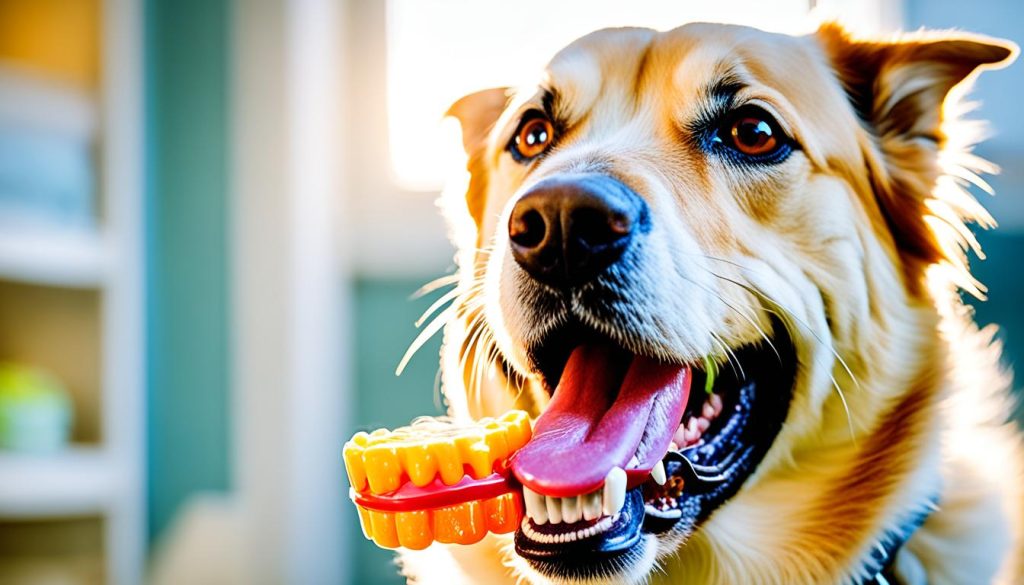
In addition to dietary changes, dental care becomes increasingly important for senior dogs. Dental issues can arise as dogs age, leading to discomfort and potential health problems. Regular brushing and providing dental treats or toys can help maintain good oral hygiene and reduce the risk of dental disease.
Senior Dog Supplements
Senior dog supplements can play a vital role in supporting the health of aging dogs. These supplements are designed to provide additional support for specific areas of concern, such as joint health, cognitive function, and immune system support.
When considering senior dog supplements, it’s important to consult with your veterinarian to ensure you choose the right supplements for your dog’s individual needs. They can recommend supplements that contain essential nutrients like omega-3 fatty acids, vitamins, and minerals to support their overall health.
In conclusion, proper nutrition plays a crucial role in the well-being of senior dogs. Transitioning to specialized senior dog food, maintaining good dental care, and considering the use of senior dog supplements can provide the necessary support to ensure their health and vitality during their golden years.
Exercise and Mental Stimulation for Senior Dogs
Balancing appropriate exercise and engaging mental stimulation is crucial for supporting the overall well-being and cognitive function of senior dogs. As dogs age, it’s important to adapt their exercise routines to suit their specific needs and abilities, promoting both physical and mental health.
Senior Dog Exercise
Senior dogs benefit from regular exercise to maintain mobility, muscle tone, and joint flexibility. It’s essential to incorporate exercises that are gentle and low-impact, reducing the risk of injuries. Walking is an excellent form of exercise for senior dogs as it allows them to maintain a healthy weight, improve cardiovascular health, and explore their surroundings. However, it’s crucial to adjust the duration and intensity of walks to match their energy levels and any existing health conditions.
Mental Stimulation
In addition to physical exercise, mental stimulation is vital for senior dogs to prevent cognitive decline and keep their minds sharp. Interactive toys and puzzle games can challenge their problem-solving abilities and provide mental engagement. Consider using toys that dispense treats or require them to figure out how to access hidden rewards. Positive reinforcement training is another effective way to stimulate their minds, enhance their overall well-being, and strengthen the bond between senior dogs and their human companions.
By incorporating both exercise and mental stimulation into the daily routine of senior dogs, pet owners can help maintain their mobility, prevent cognitive decline, and enhance their quality of life in their golden years.
Senior Dog Care Tips
Proper care is essential to ensuring the health, comfort, and well-being of senior dogs. In this section, we provide valuable tips to help you provide comprehensive care for your aging furry friend.
1. Regular Veterinary Check-ups
Regular veterinary check-ups are crucial for senior dogs to detect and address age-related health issues. These visits allow your veterinarian to monitor your dog’s overall health, identify any potential problems early on, and recommend appropriate treatments or interventions. By staying proactive with veterinary care, you can help ensure your senior dog receives the necessary medical attention and support.
2. Specialized Dental Products
As dogs age, they become more susceptible to dental issues such as plaque buildup, gum disease, and tooth decay. Using specialized dental products, such as toothbrushes, toothpaste, and dental chews designed for senior dogs, can help maintain your dog’s dental health. Regular dental care can prevent painful dental problems and promote overall well-being.
3. Tailored Grooming Supplies
Senior dogs may require specific grooming supplies to cater to their changing needs. For example, using grooming brushes with soft bristles and a gentle touch can help prevent skin irritation in older dogs with thinning fur. Additionally, choosing shampoos or wipes formulated for senior dogs can address any skin or coat issues they may develop. Ensuring your senior dog’s grooming routine is adapted to their unique requirements enhances their comfort and maintains a healthy coat.
4. Addressing Incontinence and Mobility Issues
Incontinence and mobility issues are common challenges faced by senior dogs. To manage incontinence, consider using doggie diapers or belly bands to prevent accidents and protect your home. Additionally, providing easily accessible potty areas and maintaining a consistent bathroom routine can assist senior dogs with their bathroom needs.
Supporting mobility in senior dogs may involve providing them with ramps or stairs to help them access elevated surfaces or getting an orthopedic bed or supportive bedding to ease joint pain. Consult with your veterinarian to explore suitable mobility aids and exercises that can help improve your senior dog’s physical comfort and mobility.
5. Ensuring Senior Dog Comfort
Making your senior dog as comfortable as possible is a key aspect of their care. Consider providing cozy bedding in a warm and quiet area of your home where they can rest undisturbed. Additionally, placing their food and water bowls at an appropriate height can help minimize strain on their joints while eating and drinking.
Implementing these senior dog care tips can contribute to the overall well-being, comfort, and happiness of your aging furry companion. Remember, each senior dog is unique, so always consult with your veterinarian for personalized advice and recommendations based on your dog’s specific needs.
How Often Should Senior Dogs See the Veterinarian?
Scheduling regular veterinary check-ups is essential for senior dogs to ensure their well-being and address age-related conditions effectively. These check-ups are an opportunity for early detection of health issues, allowing for prompt intervention and tailored healthcare plans. Regular visits to the veterinarian also enable adjustments to diets and exercise routines, ensuring that senior dogs receive the necessary support and medical attention they need as they age.
During these regular check-ups, veterinarians can evaluate the overall health of senior dogs, identify any underlying medical conditions, and recommend appropriate medications or treatments. By establishing a consistent routine of monitoring and preventive care, senior dog owners can optimize their furry companions’ quality of life.
Regular veterinary visits for senior dogs offer more than just basic health assessments. They also provide an opportunity to update vaccinations to protect against common age-related diseases and ensure that senior dogs are receiving the necessary immunizations to maintain their well-being. Additionally, these check-ups facilitate open communication between pet owners and veterinarians, allowing for any concerns or questions to be addressed proactively.
By adhering to a schedule of regular check-ups, senior dogs receive comprehensive healthcare tailored specifically to their needs. These visits play a crucial role in early detection, which leads to prompt treatment of any health issues that may arise. With appropriate veterinary care and monitoring, senior dogs can receive the attention and support necessary to maintain their health, vitality, and overall well-being throughout their golden years.
Conclusion
Proactively caring for senior dogs is essential to ensure their health and well-being as they age. Recognizing the signs of aging and addressing common health issues are crucial steps in providing the best possible care for your furry friend. By focusing on proper nutrition, exercise, mental stimulation, and following essential senior dog care tips, you can support their overall health and happiness in their golden years.
Regular veterinary check-ups play a vital role in maintaining your senior dog’s quality of life. These check-ups allow for early detection of age-related conditions, tailored healthcare plans, and necessary medical attention. Open communication with your veterinarian is key to addressing any concerns or changes in your senior dog’s health.
Remember, senior dog care involves a holistic approach that considers their specific needs. With proper care, attention, and regular veterinary check-ups, you can ensure that your aging furry friend remains healthy, happy, and cherished for years to come.