As dog owners, we know there’s something truly special about the bond we share with our pets. They greet us with wagging tails and unconditional love, always ready to brighten our day. We want nothing more than to see them happy, healthy, and full of energy. That’s why incorporating regular exercise into their routine is so important.
Imagine this: you’re taking a leisurely walk in the park, breathing in the fresh air and feeling the warmth of the sun on your skin. As you look down, you see your four-legged companion trotting alongside you, tail held high, the epitome of pure joy. The feeling of connection and shared happiness is indescribable.
But exercise is not just about the happy moments; it’s about the long-term health and well-being of our furry friends. Daily dog walks and other forms of physical activity provide numerous benefits for dogs, both physically and mentally. From improved physical fitness to mental stimulation and behavioral enrichment, exercise is the key to a happier, healthier dog.
In this article, we will delve into the importance of dog exercise routines and explore the many health benefits they offer. Whether you’re a seasoned dog owner or considering getting a dog for the first time, understanding the value of exercise in your pet’s life is crucial. So let’s grab the leash, put on those walking shoes, and embark on a journey to a healthier and happier life for our beloved companions.
Key Takeaways:
- Regular exercise is crucial for the overall health and well-being of dogs.
- Daily dog walks and physical activity provide numerous benefits, including improved physical fitness, mental stimulation, and behavioral enrichment.
- Exercise plays a crucial role in dogs’ mental and emotional well-being, reducing stress and anxiety.
- Socialization and interaction with other dogs and dog owners are essential components of dog exercise routines.
- Regular exercise helps regulate dogs’ sleep patterns and improves the quality of their sleep.
The Physical Benefits of Dog Exercise
Regular exercise is essential for maintaining the physical well-being of dogs. By engaging in dog workout plans and fitness activities, dogs can experience a wide range of health benefits.
Preventing Obesity and Maintaining a Healthy Weight
Outdoor exercises for dogs, such as daily walks and interactive playtime, help dogs burn calories and prevent obesity. Regular physical activity also promotes a healthy weight, reducing the risk of obesity-related health issues.
Strengthening Muscles, Bones, and Joints
Engaging in various fitness activities helps dogs strengthen their muscles, bones, and joints. The repetitive movements during exercise contribute to improved muscle tone and joint flexibility, reducing the risk of injuries and joint problems.
Improving Cardiovascular Health
Regular exercise enhances dogs’ cardiovascular health by improving heart function and increasing blood circulation. It lowers blood pressure, reduces the risk of heart disease and diabetes, and promotes overall cardiovascular fitness.
Enhancing Overall Physical Well-being
Dog exercise routines tailored to their specific needs offer a holistic approach to physical fitness. Dogs who engage in regular outdoor activities experience improved overall physical well-being, greater stamina, and increased endurance.
By incorporating dog fitness activities and outdoor exercises into their daily routine, dog owners can help their furry companions lead healthier lives.
The Mental and Emotional Benefits of Dog Exercise
Regular exercise is not only important for dogs’ physical health but also plays a crucial role in their mental and emotional well-being. Engaging in exercise routines and keeping dogs active can have a positive impact on their overall cognitive function and emotional stability.
Exercise provides dogs with mental stimulation, which is vital for their brain health. It helps keep their minds sharp and active, preventing mental decline as they age. By engaging in activities that challenge their problem-solving skills, dogs can enhance their cognitive abilities and stay mentally sharp.
In addition to mental stimulation, regular exercise also reduces boredom in dogs. Like humans, dogs can become restless and frustrated when they don’t have outlets for their energy. Exercise helps combat this boredom and prevents destructive behaviors that dogs may resort to when they’re not adequately stimulated. Whether it’s a game of fetch, a run in the park, or a challenging agility course, providing dogs with plenty of exercise opportunities helps channel their energy in a positive and healthy way.
Just like humans, dogs can experience stress, anxiety, and even depression. Regular physical activity has been shown to help reduce these negative emotions in dogs. Exercise promotes the release of endorphins, natural mood elevators that can alleviate stress and anxiety. By engaging in regular exercise routines, dogs can experience improved emotional well-being and overall happiness.
The mental and emotional benefits of exercise extend beyond just reducing stress and anxiety. Active dogs are less likely to develop behavioral problems, such as excessive barking, digging, or chewing. Physical activity helps dogs release pent-up energy and can improve their focus and attention span. By keeping dogs active, owners can help their furry friends develop better self-control and impulse management skills.
To enhance the mental and emotional benefits of exercise, it’s important for owners to engage in activities that their dogs enjoy. Every dog is unique, and their exercise preferences may vary. Some dogs thrive on interactive games and playing with toys, while others enjoy running or exploring the great outdoors. By understanding their dog’s preferences, owners can tailor their exercise routines to suit their furry friend’s needs and maximize the mental and emotional benefits they derive from regular physical activity.
Social Benefits of Dog Exercise
Dog exercise routines, such as daily walks, provide opportunities for socialization and interaction with other dogs and dog owners. This social aspect of exercise helps dogs build confidence and develop better social skills, while also strengthening the bond between dogs and their owners.
Regular exercise with other dogs allows for positive experiences and promotes healthy social behaviors. Meeting and interacting with a variety of dogs helps dogs become more comfortable in different social situations. This can be especially beneficial for dogs who are shy or anxious around other dogs. By exposing them to new experiences in a controlled environment, exercise becomes a method of behavior modification and socialization.
In addition to dogs, the social benefits of exercise extend to dog owners as well. Dog parks and walking clubs provide opportunities for like-minded dog owners to connect and share experiences. These interactions can lead to new friendships and support networks, as well as the exchange of valuable advice and tips.
Participating in group activities like dog parks or walking clubs can further enhance the social benefits of dog exercise. Not only do these activities encourage dogs to interact with one another, but they also give owners the chance to meet and socialize with other dog enthusiasts. Through these shared experiences, both dogs and their owners can create lasting bonds and friendships.
Some of the best exercises for dogs that promote socialization include:
- Dog park visits where dogs can play with other dogs in a safe and controlled environment.
- Group training classes that allow dogs to learn and interact with other dogs while improving their obedience skills.
- Walking or hiking in dog-friendly areas, where dogs can encounter new sights, sounds, and smells, as well as meet other dogs and people along the way.
By incorporating these exercises into your dog’s routine, you can provide them with ample socialization opportunities while keeping them physically active. Remember, regular exercise is not only essential for a dog’s physical health but also plays a vital role in their overall well-being, including mental stimulation, emotional stability, and social development.
Improving Sleep Patterns through Dog Exercise
Regular exercise is not only beneficial for a dog’s physical health but also plays a significant role in improving their sleep patterns. Dogs who engage in physical activity are more likely to experience deeper and more restful sleep, resulting in a well-rested and rejuvenated furry friend.
For dogs who struggle with sleep disorders or have difficulty settling down at night, incorporating exercise into their daily routine can be particularly beneficial. Physical activity helps release excess energy and promotes mental and physical relaxation, making it easier for dogs to drift off into a peaceful slumber.
Dog exercise routines should be tailored to the specific needs and capabilities of the dog. Regular walks, interactive play sessions, and engaging in activities that stimulate their mind and body can all contribute to better sleep quality for your canine companion.
By prioritizing daily exercise and ensuring that your dog is adequately stimulated, you can help them achieve a more balanced sleep schedule. This not only enhances their overall well-being but also helps prevent sleep-related issues and promotes a healthy lifestyle for your beloved pet.
Dog Exercise for Cardiovascular Health
Dog exercise routines play a vital role in maintaining cardiovascular health in dogs. Engaging in regular cardiovascular exercise helps improve heart function, lower blood pressure, and reduces the risk of developing cardiovascular diseases. By incorporating activities like walking, jogging, or playing fetch into their daily routine, dog owners can help their furry friends maintain a healthy heart and circulatory system.
Daily walks or jogging sessions are excellent forms of cardiovascular exercise for dogs. Taking your dog for a brisk walk or jog helps get their heart pumping, increasing blood flow throughout their body. This not only strengthens their heart muscles but also improves their overall cardiovascular fitness.
Playing interactive games like fetch with your dog also promotes cardiovascular health. The repetitive nature of fetching and retrieving the toy gets their heart rate up, providing an effective cardiovascular workout. Plus, the excitement and joy during play add an extra layer of emotional well-being for your furry friend.
Remember, every dog has different exercise needs based on their breed, age, and overall health. Consulting with a veterinarian is crucial to determine the appropriate exercise intensity and duration for your specific dog. They can provide personalized recommendations tailored to your dog’s needs, ensuring they receive optimal cardiovascular benefits without overexertion or risk of injury.
Regular cardiovascular exercise is a key component of dog exercise routines, contributing to improved heart health, lower blood pressure, and a reduced risk of cardiovascular diseases. By prioritizing your dog’s cardiovascular well-being through exercise, you can enhance their overall health and longevity.
Combating Canine Obesity through Exercise
Dog obesity is a growing health concern, with approximately 50% of dogs in the United States being overweight or obese. It is crucial for dog owners to prioritize regular exercise as an effective strategy to maintain a healthy weight and prevent obesity-related health issues in their furry companions. In combination with a balanced diet, exercise plays a vital role in improving dogs’ overall fitness levels while reducing the risk of weight-related health problems.
Regular physical activity helps dogs burn calories, control their weight, and improve their cardiovascular health. One of the best exercises for dogs to combat obesity is taking them for regular walks. Walking not only helps burn calories but also provides mental stimulation, strengthens muscles, and promotes a healthy metabolism.
Engaging in other physical activities and playtime is equally important. Activities like running, swimming, or playing fetch not only help dogs stay active but also engage their muscles in a variety of ways, promoting overall physical fitness. These activities can also be mentally stimulating for dogs, keeping them mentally engaged and preventing boredom.
To make dog exercise routines effective in combating obesity, it is essential to tailor them to the specific needs and capabilities of each individual dog. Dog owners should consult with their veterinarian to determine the appropriate duration, frequency, and intensity of exercise for their pets, considering factors such as breed, age, and overall health condition.
Regular exercise, alongside a balanced diet, helps dogs maintain a healthy weight, prevents obesity-related health issues, and improves their overall well-being. By incorporating regular exercise routines into their dogs’ daily lives, owners can take a proactive approach in combating canine obesity and promoting a healthier, happier life for their furry friends.
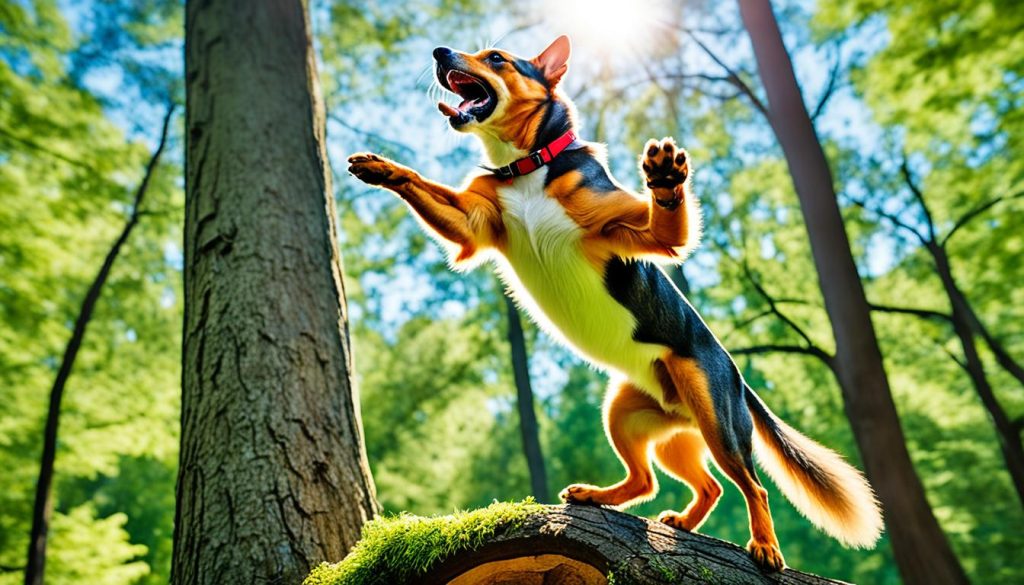
Establishing a Dog Exercise Routine
To ensure the health and well-being of your dog, it is important to establish a consistent exercise routine. Daily dog walks, engaging in interactive play, and incorporating various forms of physical activity are essential for keeping your dog happy and healthy.
1. Daily Dog Walks
One of the fundamental components of a dog exercise routine is daily walks. Aim for at least 30 minutes to an hour of walking each day, depending on your dog’s breed, age, and fitness level. Regular walks not only provide physical exercise but also mental stimulation as dogs explore their surroundings and encounter new sights and smells.
2. Interactive Play
In addition to daily walks, interactive play sessions are crucial for keeping your dog active. Engage in games like fetch, tug-of-war, or hide-and-seek to stimulate your dog’s mind and boost their physical fitness. Interactive play also helps strengthen the bond between you and your furry friend.
3. Tailored Physical Activities
Every dog is unique, so it’s important to tailor your exercise routine to suit your dog’s specific needs. Consider their breed and age when choosing physical activities. For example, high-energy breeds may benefit from activities like agility training or jogging, while smaller breeds might enjoy indoor games or obstacle courses.
4. Consistency is Key
Consistency and regularity are crucial for reaping the benefits of dog exercise routines. Establish a daily schedule and stick to it. Dogs thrive on routine, so having a predictable exercise routine helps them develop good habits and ensures they receive the physical activity they need on a regular basis.
Regular physical activity is vital for your dog’s overall health and well-being. A consistent exercise routine that includes daily walks, interactive play, and tailored activities will help keep your dog happy, stimulated, and fit. So lace up those walking shoes and embark on a journey to better health for both you and your furry friend!
Tips for Safe and Effective Dog Exercise
When it comes to engaging in outdoor exercises for dogs, it is crucial to prioritize their safety and well-being. By following these tips, you can ensure that your furry friend stays happy, healthy, and injury-free during their exercise routines.
- Proper leash training: Invest time in leash training to teach your dog to walk beside you without pulling or tugging. This will not only make the exercise routine more enjoyable but also prevent accidents and injuries.
- Use suitable equipment: Consider using a harness instead of a collar to distribute the force more evenly and reduce strain on your dog’s neck. Make sure the equipment fits properly to provide maximum comfort and safety.
- Mind environmental factors: Be aware of hot pavement during summer months, as it can burn your dog’s paw pads. Additionally, extreme weather conditions such as excessive heat or freezing temperatures can be dangerous for outdoor activities. Adjust the timing or location of your exercise routine accordingly.
- Consult with a veterinarian: Before starting any new exercise routine, it is advisable to consult with a veterinarian, especially if your dog has any underlying health conditions or is a senior. They can provide valuable guidance and assess your dog’s fitness level.
- Incorporate warm-up and cool-down exercises: Just like humans, dogs benefit from warm-up and cool-down exercises to prevent muscle stiffness and injuries. Begin with a brisk walk or jog to warm up your dog’s muscles, and end the exercise routine with a few minutes of gentle stretching.
By implementing these safety measures and incorporating the best exercises for dogs, you can ensure that your furry companion enjoys their outdoor exercise routine while staying safe and healthy.
Conclusion
Regular exercise and daily dog walks are essential for maintaining the health and well-being of dogs. These dog exercise routines offer a multitude of benefits, including improved physical fitness, mental stimulation, and emotional well-being. By incorporating exercise into their daily routine, dog owners can enhance their furry friend’s overall health, prevent obesity, reduce behavioral problems, and strengthen the bond between them and their dog.
Physical fitness is crucial for dogs to stay healthy and active. Regular exercise helps dogs maintain a healthy weight, strengthens their muscles, bones, and joints, and improves cardiovascular health. Engaging in outdoor activities and fitness exercises tailored to dogs’ needs significantly contributes to their physical well-being.
Exercise is not only beneficial for the body but also for the mind and emotions of dogs. It provides mental stimulation, reduces boredom, and prevents destructive behaviors. Regular physical activity helps reduce stress, anxiety, and symptoms of depression in dogs, promoting their overall cognitive function and emotional stability.
In addition to the physical and mental benefits, dog exercise routines also offer social advantages. Daily walks and other forms of exercise provide opportunities for socialization with other dogs and dog owners. This social aspect helps dogs build confidence, develop better social skills, and strengthen the bond between dogs and their owners.
To ensure the long-term health and happiness of dogs, it is crucial to prioritize regular exercise. Daily dog walks and engaging in various forms of physical activity suitable for their breed, age, and fitness level are key to reaping the benefits of dog exercise routines. By making exercise a part of their daily routine, dog owners can contribute to their furry friend’s overall well-being and create a healthier and more fulfilling life for their beloved pet.